

The Department of War has released a letter to the defense industrial base and acquisition stakeholders, requesting input on phase two of its Revolutionary Federal Acquisition Regulation, or FAR, Overhaul initiative aimed at reducing regulatory burden and accelerating defense procurement.
The War Department said Friday the letter, issued Feb. 10, outlines phase one class deviations under the initiative and reflects ongoing efforts to streamline acquisition regulations.
Table of Contents
What Is the Purpose of Phase RFO Phase 2?
According to the letter, phase two seeks recommendations to revise or eliminate FAR and Defense FAR Supplement, or DFARS, provisions to accelerate technology fielding and system modernization. The effort aims to help the department outpace adversaries, expand production capacity to support wartime surge and place both the acquisition system and the industrial base on a wartime footing, consistent with recent executive orders on defense procurement reform.
What Are the Core Objectives of the FAR Overhaul?
More broadly, the Revolutionary FAR Overhaul, launched in May 2025, aims to modernize the acquisition framework by reducing unnecessary regulatory requirements and increasing flexibility for program execution. Guided by Executive Order 14275, the initiative centers on three priorities:
- Faster capability delivery: Streamlining procurement to deploy modern technologies more quickly.
- Industrial readiness: Expanding production scalability to meet potential wartime demand.
- Regulatory streamlining: Removing nonstatutory or outdated FAR and DFARS provisions.
The Department of War is coordinating with the Office of Federal Procurement Policy on implementation. Executive Order 14265 directs the Secretary of War to review and eliminate unnecessary supplemental regulations, while the department’s Acquisition Transformation Strategy calls for more agile acquisition processes.
The RFO initiative is also intended to simplify the registration process on the System for Award Management website, while the government can expect clearer, more traceable and procurement-specific terms and conditions.
What Has Been Implemented in Phase 1?
In phase one, the principal director for defense pricing, contracting and acquisition policy issued class deviations that may be used immediately, ahead of formal rulemaking. These deviations are designed to streamline compliance requirements for both the department’s acquisition workforce and its industry partners.
The overhaul follows a two-track approach. Agencies must implement standardized model class deviations—simplified, pre-approved versions of updated FAR provisions—within 30 days of issuance. Regulators will use feedback gathered during this interim period to inform and shape the subsequent formal rulemaking process.
Related Articles
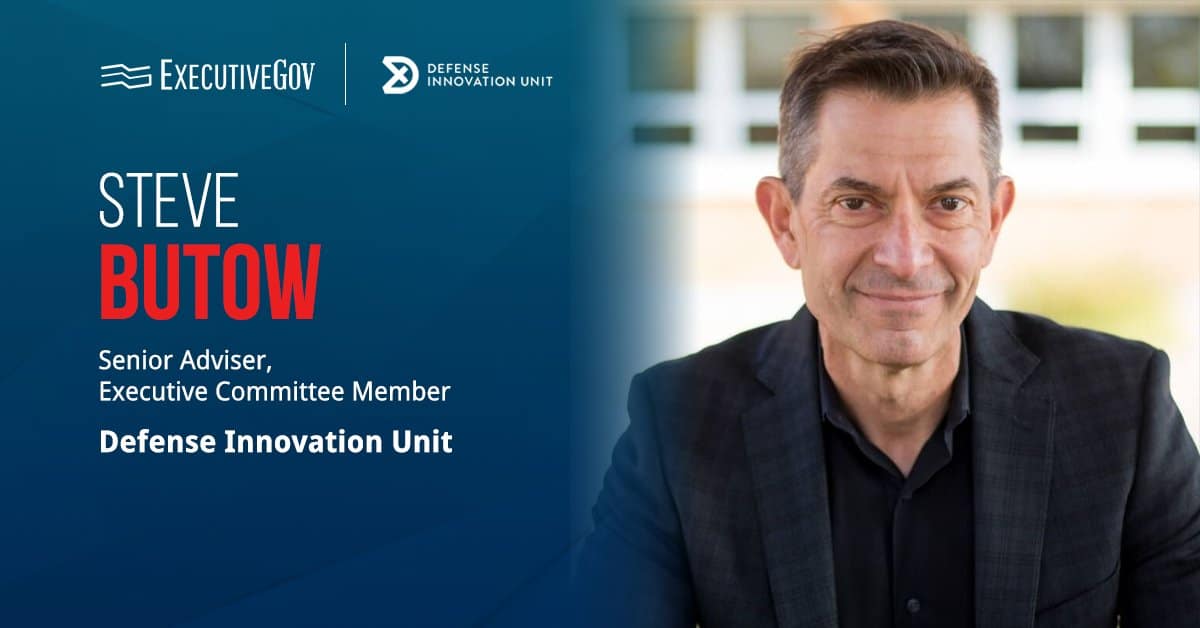
The Defense Innovation Unit has appointed Steve Butow as senior adviser to DIU Director and 2026 Wash100 Award winner Owen West. DIU said in a LinkedIn post Friday that Butow will also serve as a member of its executive committee. In his new roles, Butow will align the unit’s strategic direction with the joint force’s operational priorities. “Extremely honored to advise and assist Owen West and the rest of our DIU team with rapidly fielding commercially-derived technologies that create and sustain asymmetric advantage for the joint warfighter,” he commented on LinkedIn. Defense leaders, including the Air Force’s Gen. John Lamontagne,
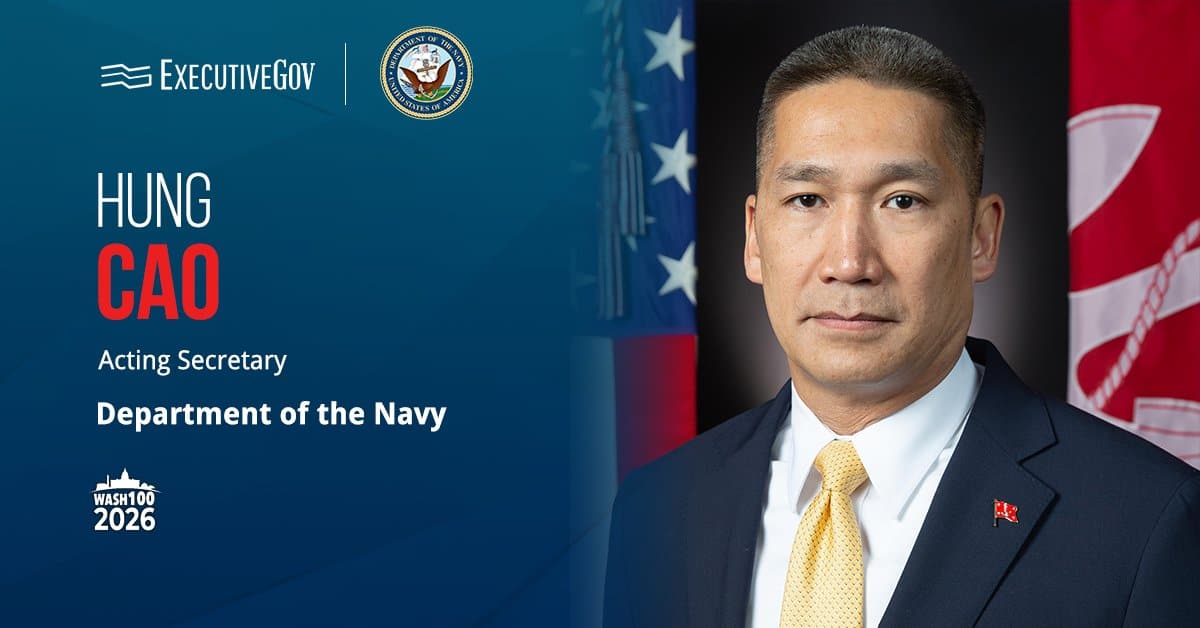
Hung Cao, a 2026 Wash100 Award winner, identified his immediate priorities as the new acting secretary of the Navy in a video address to the force posted on the social media site X on Friday. Navy leaders will discuss shipbuilding, sailor readiness and other priorities at the Potomac Officers Club’s 2026 Navy Summit on Aug. 27. The event will have keynote speeches from top decision-makers at the Navy, panel discussions featuring defense officials and industry executives, and networking opportunities. Tickets are available here. What Are Hung Cao’s Three Priorities for the Navy? Cao, a retired U.S. Navy captain, said his first
The U.S. Army has issued a call for solutions under its Rapid Electromagnetic Warfare and Signals Intelligence, or REWSI, initiative, seeking commercial technologies to support electromagnetic spectrum operations. The effort, released through the Army’s open solicitation commercial solutions opening via the VULCAN portal, is designed to streamline how the service identifies and acquires emerging capabilities for operational use, the service branch said Friday. Submissions will be accepted until April 22, 2027. The 2026 Army Summit, hosted by the Potomac Officers Club on June 18, will bring together Army leaders and industry stakeholders to examine how the service is adapting its