The U.S. Space Command harnessed the capabilities of artificial intelligence to streamline planning across its command and its components at the Augmented Planning and Execution, or APEX, Summit held in Colorado from Nov. 18 to 21.
Over 70 leaders across the command and its components participated in the summit, providing insights to advance the 2026 Coordinated Campaign Order, USSPACECOM said Dec. 30.
According to Genna Ibsen, supervisory program analyst for USSPACECOM’s Joint Operations Division J3, the summit had two goals: refine the command’s approach to human-machine teaming and develop a governance model for the responsible use of AI in operational planning.

Get more insights into AI use cases across GovCon at the Potomac Officers Club’s 2026 Artificial Intelligence Summit on March 19. The event will host panel discussions featuring top voices from across industry and government to discuss how AI, machine learning and automation are revolutionizing the world today. Get your tickets today.
What Happened at APEX Summit?
During the summit, USSPACECOM divided participants into four teams, each with access to three different AI tools to support operational planning. Participants curated inputs — procedural documents, references and manuals — into the AI tools based on campaign objectives and command guidance to generate contributions for the campaign order.
Ibsen explained that using different AI tools is critical to expose participants to structured campaign‑order, self‑directed exploration and engineer‑guided collaboration prompting methods, allowing them to compare outcomes and refine directives.
Staff members validated AI-generated output for inclusion into the 2026 Coordinated Campaign Order.
What Is USSPACECOM’s AI Strategy?
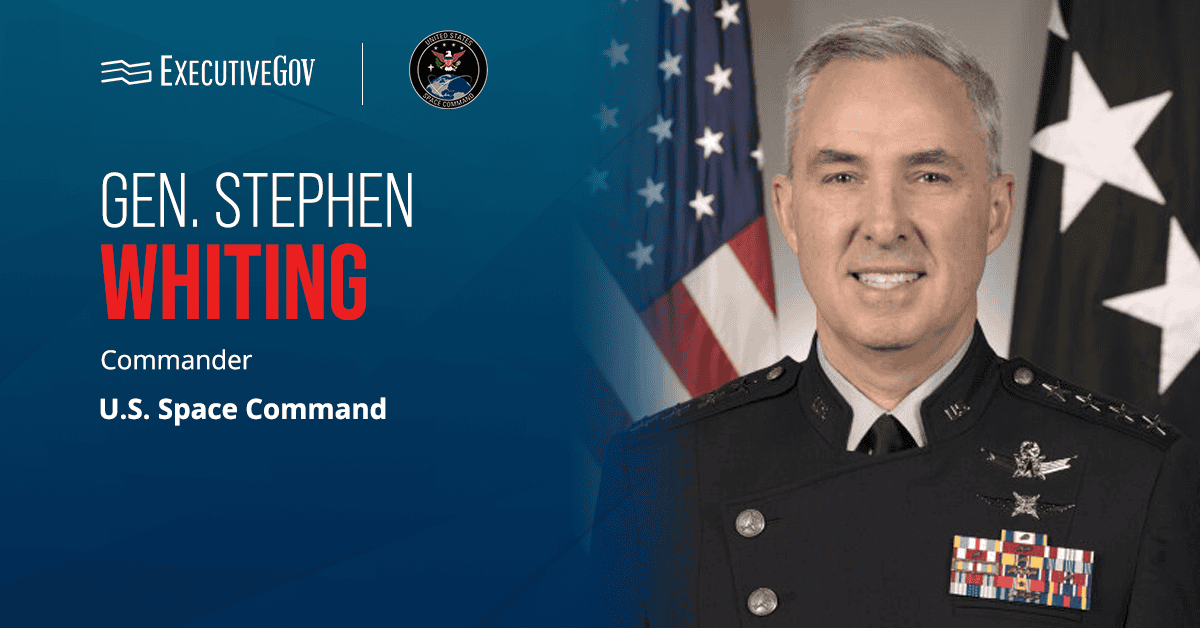
The summit is aligned with USSPACECOM’s AI/Machine Learning and Data Analytics Strategy published in March. Gen. Stephen Whiting, head of the command and a Wash100 awardee, said the strategy is critical for adapting to “what is emerging as an era-defining technology that demonstrates significant and growing relevance to national security.”
“We must lead the way in ensuring a safe and secure space domain for our nation, our Allies and Partners, and the rest of the world,” he added.