

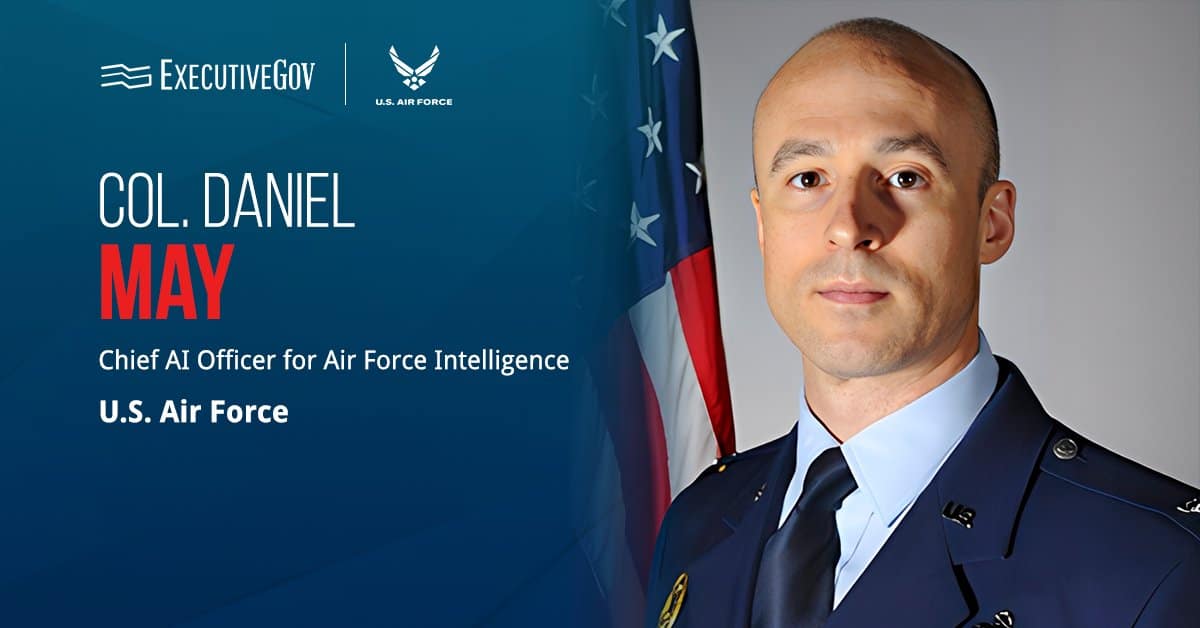
- The U.S. Air Force’s interest in AI is expected to grow even further in 2026
- Enterprise-level access to LLMs and improved AI workflows are just a few critical business opportunities in AI for GovCons
- Hear more actionable business intelligence on AI directly from Col. Daniel May, chief AI officer for USAF intelligence, at the 2026 Defense R&D Summit on Jan. 29!
The U.S. Air Force’s insatiable appetite for artificial intelligence is expected to grow even further in 2026. The Department of War last year utilized AI to improve capabilities in decision support, intelligence and awareness, maintenance and logistics, and training and workforce, according to Military.com.
The Potomac Officers Club’s 2026 Defense R&D Summit on Jan. 29 will dive deep into the latest business opportunities with AI with captivating keynote addresses and fascinating panel discussions. These will feature top Pentagon officials such as Col. Daniel May, U.S. Air Force chief AI officer for Air Force intelligence, and leading industry experts.
ExecutiveGov sat down with Col. May for an exclusive interview on the USAF’s top AI business opportunities in 2026 and other AI requirements GovCons need to know. Get actionable business intelligence like this at the 2026 Defense R&D Summit on Jan. 29. Secure your seat today!
Table of Contents
Does the Air Force Use AI?
The USAF is experimenting with AI in a variety of applications. These include command and control, logistics, human-machine teaming and autonomous systems.
Let’s dig into the USAF’s top AI business opportunities for the upcoming year.
What Are AI Opportunities with the Air Force for GovCons?
1. Enterprise-Level Premium Access to LLMs
The USAF wants to provide enterprise-level, premium access to large language models. May said Pentagon subagencies, including the USAF, currently provide free access to LLMs that allow users to experiment and set up workflows.
The problem is this is generating a big bill for the USAF while also throttling, or reducing performance, for users, especially in machine-to-machine application programming interface access. May said, as a remedy, the USAF wants to provide paid access, without restriction, to at least one commercial LLM and, perhaps, an open-source LLM.
2. Make AI Models Available in the Classified Cloud-as-a-Service
The USAF wants to expand services it provides for a machine learning operations pipeline that will bring unclassified models up to classified intelligence networks. May said the USAF wants to make it easier for people to create a model, hit a button to have it show up on a classified network and allow intelligence airmen to access and use it immediately.
The service is already pretty good at doing this with software. May said a user will commit the software, which will automatically get pushed and deployed from an unclassified network up to a classified system. Here it gets deployed on a classified cloud computing network and provided as a service.
The USAF wants to avoid a user having a great new model, but spend four months deploying the model. May said this could lead to operators deploying this new model on both unclassified and classified networks and have two different versions of the same model.
“We don’t want that,” May said. “We want to be able to move it, update and fix security issues quickly. Just the way that everyone does it with software and [continuous integration and continuous deployment] pipelines.”
Are you a GovCon technology professional? Then you cannot afford to miss the Potomac Officers Club’s 2026 Defense R&D Summit on Jan. 29—it’s designed just for you! Dive into our panel discussions on AI: Securing the Future of Defense Innovation and Powering AI at Mission Scale. Get your pressing questions answered during the Q&A sessions. Sign up today!
3. Improved AI Workflows
The USAF wants industry to help it insert AI into its workflows and help it optimize human-machine teaming to get the most from both the human expertise and the computing technology.
The USAF is discovering how AI can be a helpful tool for workflows, or the steps one takes to produce something, such as highlighting weaknesses. May said many organizations experience weaknesses in workflows when they try to digitize a process that, 20 years ago, was manual and performed on paper. The problem, he said, is that organizations often don’t change the steps involved in the process after digitizing.
May mentioned how IBM’s Deep Blue in 1997 became the first computer to defeat a human chess champion under standard tournament rules. Using 32 processors to perform an array of coordinated, high-velocity computations at the same time, Deep Blue examined 200 million chess positions per second, according to IBM.
May said initial speculation revolved around who would win future human-machine chess competitions: the human or the computer? Operators, he said, discovered it was neither and, instead, was teams that perfected how they interacted with the technology and understood its capabilities and limitations.
4. Applying Agentic AI to New Missions
The USAF wants to apply agentic AI to new missions such as foreign disclosure. This is the process that the Pentagon undergoes when it wants to determine whether or not it should share classified, or controlled unclassified information, with an authorized representative of a foreign government.
May said foreign disclosure is a mission where people spend a lot of time referencing policy and prior decisions to generate conclusions. The USAF, he said, is discovering that agentic AI systems can be extremely helpful with foreign disclosure as it can assign an agent to research existing policy in a certain subject area.
May also said that the AI agent could execute some collaboration, read through some documents or PowerPoint presentations and determine whether everything is classified or categorized correctly.
“I think multi-step mission areas where there’s a need to refer to large bodies of knowledge is something where we’re really starting to see AI have this big impact,” May said, “instead of spending all my time flipping through the books or [searching digital documents].”

Related Articles
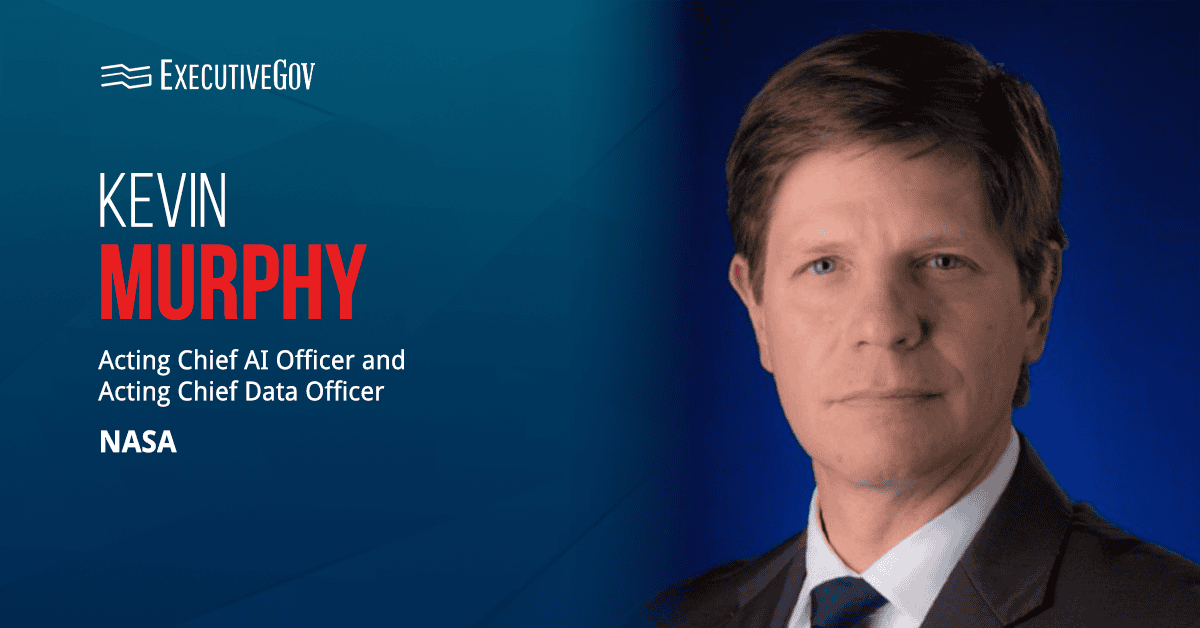
NASA has appointed Kevin Murphy, the agency’s chief data science officer, as acting chief artificial intelligence officer, or CAIO, and acting chief data officer, or CDO. NASA’s leadership moves signal how seriously the federal government is positioning itself around AI. As agencies strengthen AI and data leadership, industry and government leaders will gather to discuss what’s next for policy, innovation and mission delivery. Register now to join the conversation at the Potomac Officers Club’s 2026 Artificial Intelligence Summit on March 18. Murphy announced his new roles in a LinkedIn post. His appointment comes after David Salvagnini announced plans to step

The Department of Commerce’s CHIPS Program Office and USA Rare Earth have signed a non-binding letter of intent to provide the company with up to $1.6 billion in funding to strengthen the domestic semiconductor ecosystem by expanding the production of rare earth elements and magnets. The National Institute of Standards and Technology said Monday the agreement includes up to $277 million in direct funding and a senior secured loan of up to $1.3 billion under the CHIPS and Science Act to advance rare earth mining, processing and magnet manufacturing capabilities in the U.S. How Will the Commerce CHIPS Program Support
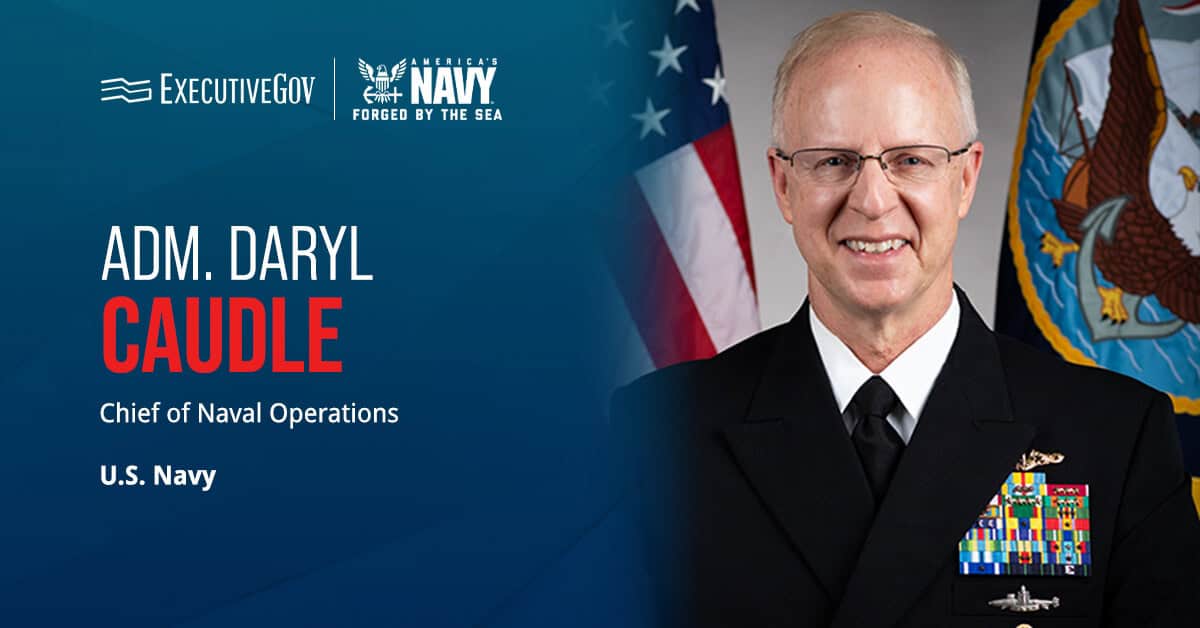
Adm. Daryl Caudle, the U.S. Navy’s chief of naval operations, outlined a new strategic vision for the service, emphasizing adaptability, industrial revitalization and a full-spectrum Hedge Strategy to address a more complex global security environment. Register now for the Potomac Officers Club’s 2026 Navy Summit on Aug. 27 to join senior Navy, defense and industry leaders as they discuss emerging technologies and modernization priorities shaping the future of naval operations. What Challenge Is the Navy Facing? Speaking Tuesday at the APEX Defense forum, Caudle said the Navy is operating in an era defined by great power competition, asymmetric threats and