
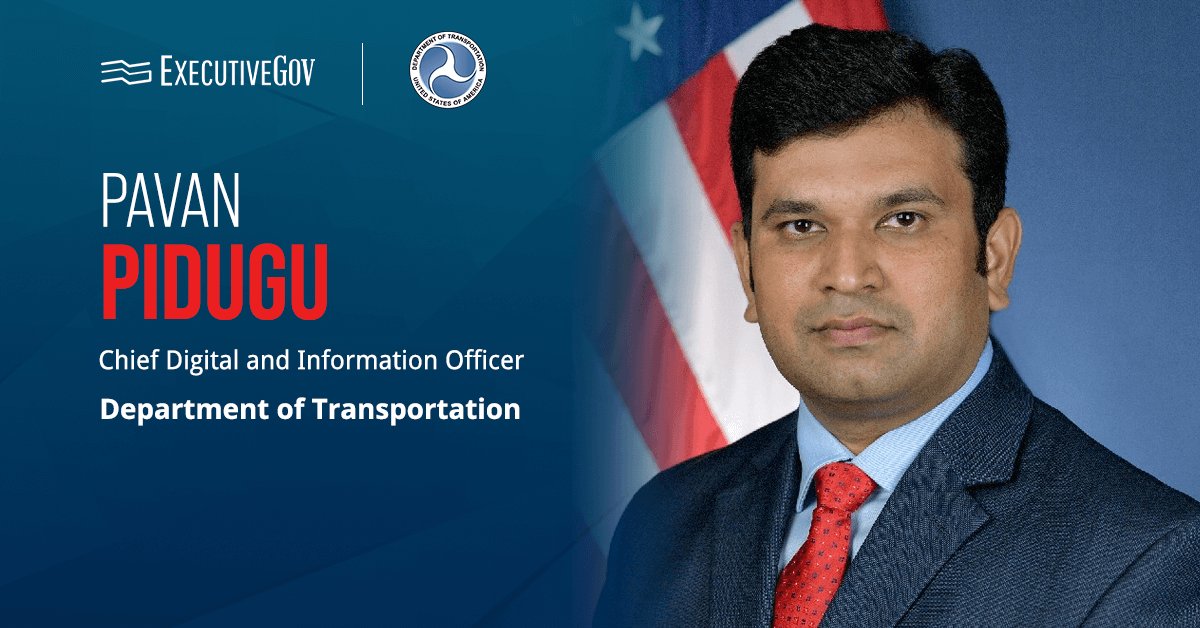
- Pidugu served as CDIO for nearly a year and a half and at DOT for over 6 years
- He highlighted accomplishments like a transition to Gmail and establishment of T-Cloud
- POC’s 2026 FedCiv Summit on Oct. 29 is the best place to get the latest GovCon opportunities at FedCiv agencies!
Department of Transportation Chief Digital and Information Officer Pavan Pidugu is stepping down from his role, effective September 4, ExecutiveGov has learned.
Pidugu, who is a 2026 winner of the Wash100 Award, the highest honor in government contracting, issued an email to his teammates and constituents on Thursday announcing the news.
“When we set out on this journey together,” Pidugu wrote, “we shared a bold vision to fundamentally transform how technology serves the Department and the American public. Thanks to your hard work, dedication, and true builder mentality, we didn’t just meet those expectations—we exceeded them.”
Potomac Officers Club’s 2026 FedCiv Summit will highlight all of the most relevant acquisition opportunities and tech topics for GovCons in the federal civilian space. The Oct. 29 event will bring representatives from agencies like DOT, the Department of Energy, the Department of Commerce and more to relay to industry their pressing needs and areas where public-private collaboration can be strengthened. Save your spot now!
What Did Pavan Pidugu’s Team Achieve in His Tenure as DOT CDIO?
In his remarks to his team, Pidugu shared a number of accomplishments that he deemed “unprecedented milestones.”
- Transition to Gmail and a shared digital environment across DOT, which reportedly yielded 70 percent cost savings
- Stood up T-Cloud, a “powerful and unified engine” meant to protect assets and spur new strides in tech development
- Cloud migration on track to reach 90 percent transition by year’s end
- Initiated spec-driven application development and delivery (enabled by T-Cloud), shrinking development timelines drastically
- Set in motion reduction of legacy tech debt
Who Is Pavan Pidugu?
Pidugu is a federal technology leader who parlayed early-career experience in the private sector into government work. He began as a business analyst at a small software company and eventually rose the ranks at big-name retailers including Target and Walmart. At Walmart, he distinguished himself in positions like leader of international store transformations and leader of digital customer and omni-channel experience. He briefly oversaw digital technology at Casey’s General Stores before pivoting to the Transportation Department in May 2020. He was first named chief technology officer for the Federal Motor Carrier Safety Administration and became CDIO of the entire DOT enterprise in February 2025.
Product Centricity
A focus on product centricity seems to be a recurring theme of Pidugu’s career. It appears in his role description on LinkedIn for his most recent position at Walmart, and it showed up again in his resignation email to DOT.
“These accomplishments are a direct testament to your talent and your willingness to embrace a product-centric culture. By working together, we have broken down historic silos to operate as a truly unified enterprise,” Pidugu enthused.
This commercial-forward approach is redolent of the Trump administration’s fondness for commercial-off-the-shelf (rather than bespoke) services and its leadership’s focus on ‘running government like a business.’
Potomac Officers Club Appearance
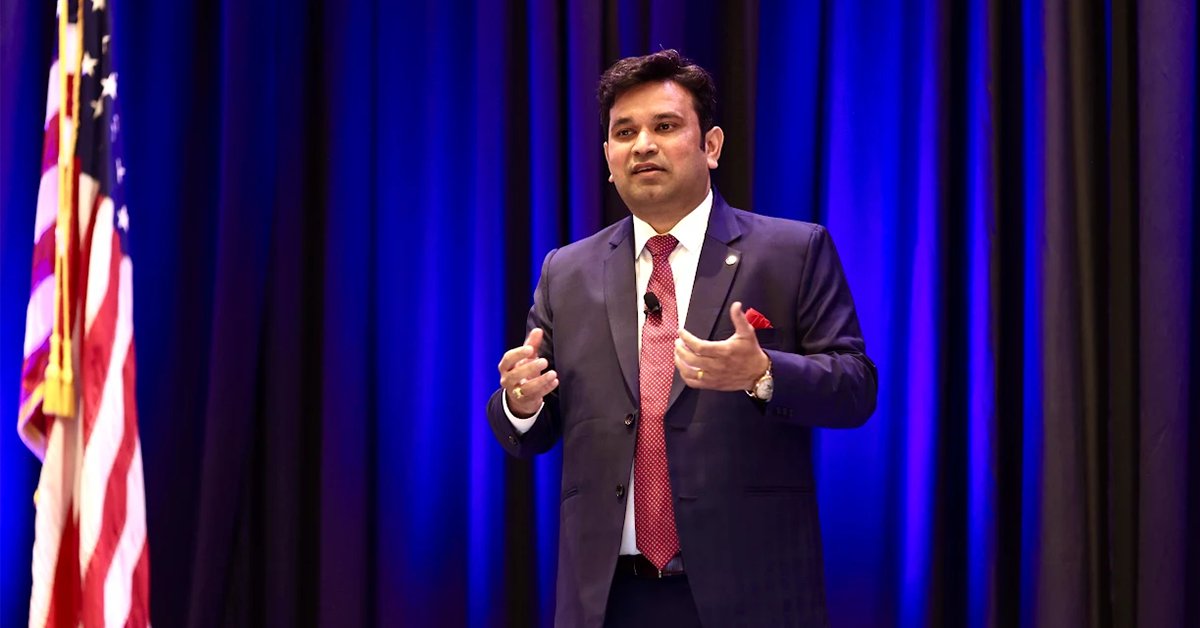
Throughout his career, Pidugu has become known for his public speaking engagements. In April, he served as the opening keynote speaker at Potomac Officers Club‘s 2026 Digital Transformation Summit, where he discussed the department’s OneDOT vision, a unified architecture where all of DOT’s digital parts and processes talk to one another.
He also discussed his efforts to expunge shadow IT cobwebs from DOT’s systems and highlighted the shared services and digital factories he’s instituted, which he said should make public-private partnerships more effective.
At the event, he had this to say to potential partners: “Come with the roadmap of how we can actually realize a value creation in a three to six months’ timeframe.” One can expect he’ll take this aggressive posture wherever he lands next. His next destination—and his successor—has not been announced as of this writing.